


Chile will return to Cannes Docs in 2026 through a new regional format, joining Colombia for the inaugural Docs-in-Progress Chile & Colombia Showcase at the Marché du Film on Monday, 18 March, 2026. The showcase will take place during the Cannes market, running from 12 to 20 May, and will present four Latin American non-fiction projects at an advanced stage of development, two from each country.
For Chile, the initiative continues a sustained presence at Cannes Docs. In 2024, Chiledoc led a delegation of 18 Chilean documentary producers and presented four projects in the Docs-in-Progress Showcase, while its 2022 participation included Malqueridas, which would later become one of the country’s key recent international documentary successes. The 2026 edition marks a shift in scale and strategy, as Chiledoc and Proimágenes Colombia combine their national platforms into a shared showcase intended to strengthen Latin American visibility through collaboration.
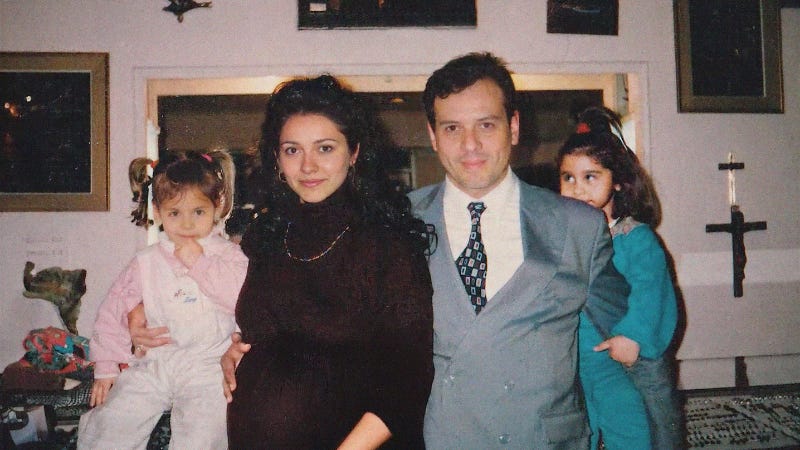
The Chilean projects selected are Burning Daddy and The Boy Girl and the Gothik Whale. Burning Daddy, directed by Tana Gilbert, is a Chile, Germany and Spain co-production produced by Paola Castillo, Dirk Manthey, Carolina Astudillo and Wendy Espinal. Gilbert and Castillo previously participated in Cannes Docs in 2022 with Malqueridas, which won the Alpha Panda Award and later received three major awards at the 2023 Venice International Critics’ Week. Her second feature follows Camila and her family as they reconstruct the figure of her father, a charismatic con man, through photographs, legal records and memories fractured by violence.
The second Chilean title, The Boy Girl and the Gothik Whale, is directed by Sidka Saavedra and produced by Constanza Schmidt, Sidka Saavedra and Claudia León as a Chile-Argentina co-production. The project arrives at Cannes after IDFAcademy in 2025 and selection at the FICGuadalajara Docu Lab. Set within Buenos Aires’ underground drag scene, the film follows Orka Gótika while Saavedra’s own journey leads him toward discovering his identity as a trans man.
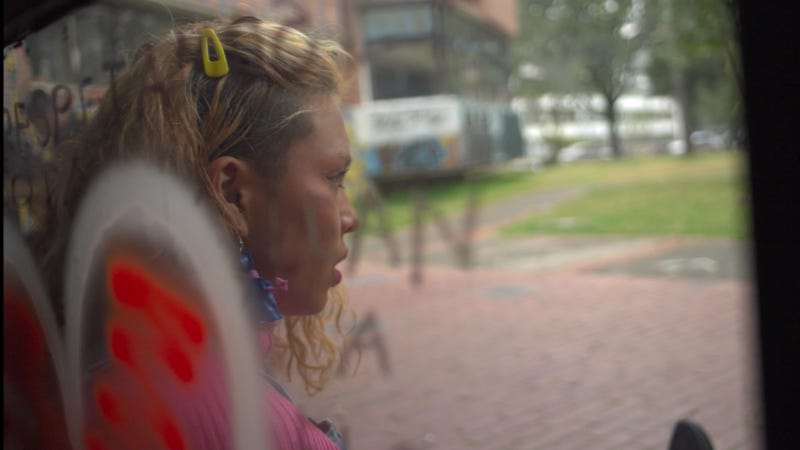
Colombia’s presence in the showcase is led by Chilapa’s Girl and Antipodal Dreams. Directed by Juana Lotero and produced by Anahí Farfán, Daniel Sánchez and Lotero, Chilapa’s Girl follows Yulieth, a rebellious young woman growing up in a border territory marked by natural beauty, machismo, early motherhood and inherited cycles of violence. Antipodal Dreams, directed and produced by Juanita Onzaga, is described by the filmmaker as her first docufiction feature. Centred on a young Colombian dancer carrying the death of her brother during a silenced historical uprising, the film moves through embodied memory, dreams and collective creation before opening toward Thailand as an antipodal site of ritual and mourning. According to Carlos Moreno, Head of Promotion at Proimágenes Colombia, both projects are distinguished by the strength of their auteur vision and their attention to visual and sound construction.
Cannes Docs has become a key platform for the international visibility of Chilean and Colombian documentary, connecting filmmakers with festivals, sales agents, distributors and exhibitors. The 2026 showcase also underlines a broader regional ambition, presenting documentary as part of a Latin American field increasingly defined by auteur perspectives, hybrid forms, queer self-representation, archival intimacy, and political imagination.